01
Engaging for pupils
Short, game-like missions turn SEL ideas into choices and actions.
VIBE combines short game missions, recurring CoBot guides and reflection to help pupils practise emotional regulation, collaboration and decision-making — with school context, curriculum and alignment evidence configured behind the scenes.
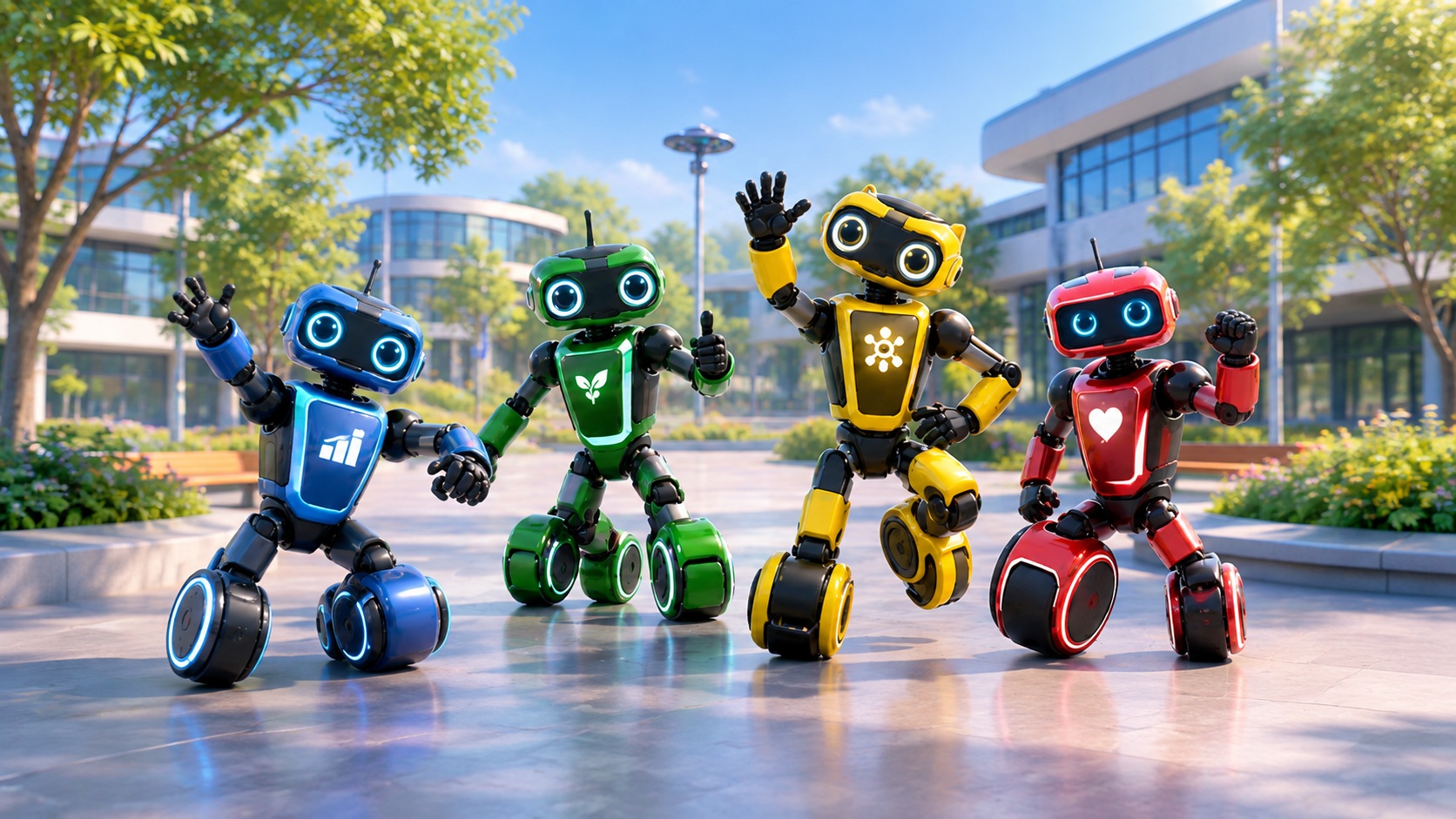
The original VIBE vision film is now part of the product story: recurring CoBots, mission-based practice, teacher facilitation and evidence that can roll up from class to school and school group / Trust.
Short, game-like missions turn SEL ideas into choices and actions.
Lightweight facilitation, reflection and evidence without another worksheet.
Designed to work standalone or alongside existing digital learning environments.
The science supports structured social-emotional practice, active learning and selected regulation techniques. It does not automatically prove that VIBE itself improves outcomes — that is what the next validation phase is designed to test.
A 2023 meta-analysis reviewed 424 studies across 53 countries involving 575,361 pupils and found significant benefits across social-emotional skills, attitudes, behaviour, school functioning and academic achievement.
Cipriano et al., 2023 ↗High-quality SEL commonly follows the SAFE principles: Sequenced, Active, Focused and Explicit. VIBE translates that into recurring missions where pupils choose, experience consequences, practise, reflect and revisit.
CASEL · SAFE practice ↗A 2025 systematic review and meta-analysis covering 33 studies of 18 serious games for ages 6–18 found promising evidence for learning emotional-regulation strategies, while highlighting limits including long-term follow-up and transfer.
Gómez-León, 2025 ↗A preregistered randomized field experiment with 342 children found that a brief animated slow-breathing activity reduced concurrent physiological arousal. VIBE uses slow-paced breathing as practice — it does not measure or infer a pupil's physiology.
Obradović et al., 2021 ↗Pupils enter an interactive scenario with a clear challenge.
Choices, coaching and regulation practice happen inside the mission.
Short reflection and later revisits give pupils repeated chances to apply the skill in different contexts.
Location and curriculum are configured separately, so a British school in Dubai, a CBSE school in Dubai and a school in England can use the same VIBE Core with different alignment and evidence layers.
Country and region determine the relevant regulatory context — for example England, Dubai or Abu Dhabi.
British / England-aligned, IB, CBSE, American or a local/custom pathway can be configured independently.
Leaders see framework mappings, evidence VIBE can contribute and clear claim boundaries. VIBE does not claim regulator approval or automatic compliance.
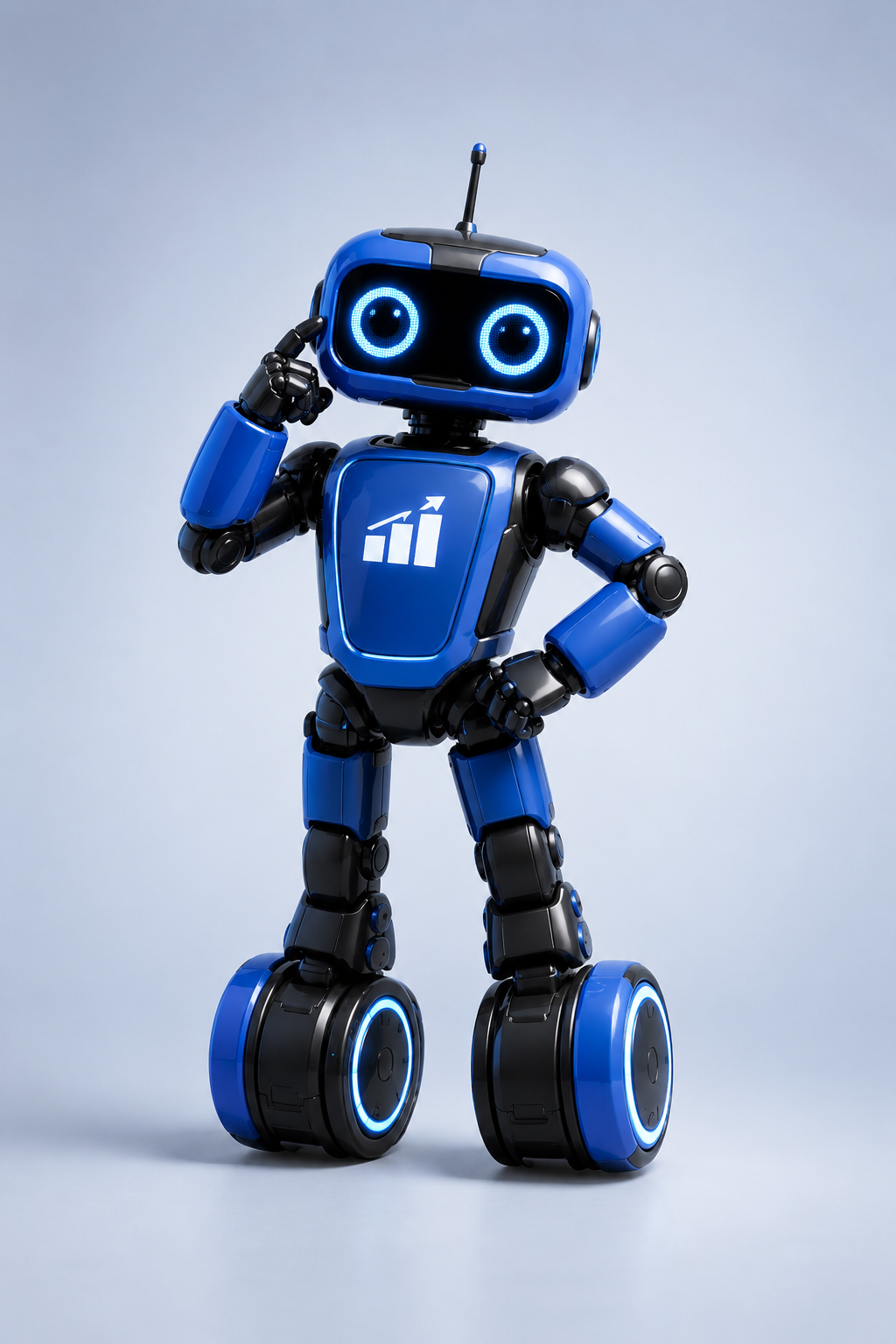
Careful, logical and analytical.
“Let’s do this Right!”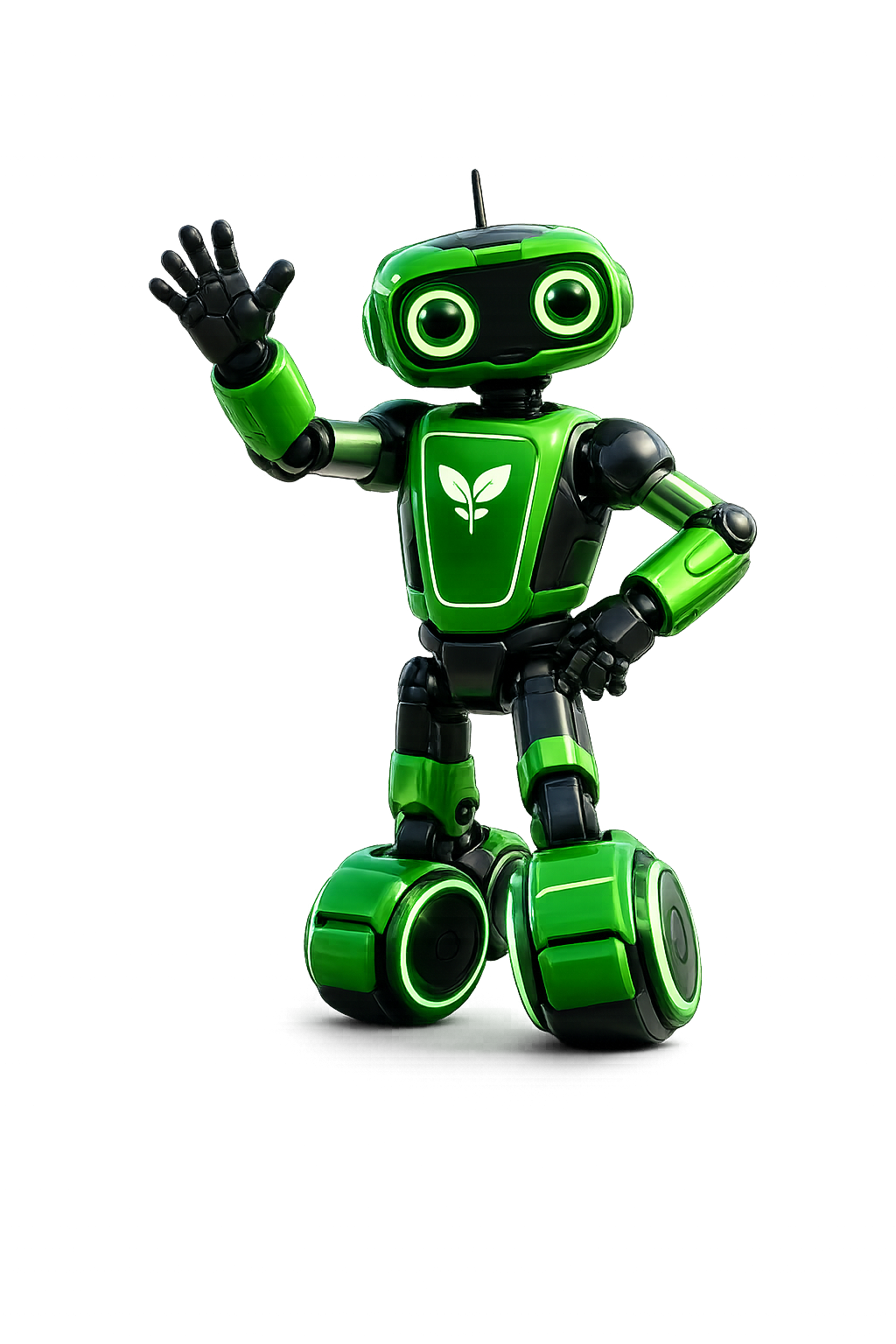
Supportive, collaborative and kind.
“Let’s do this Kindly!”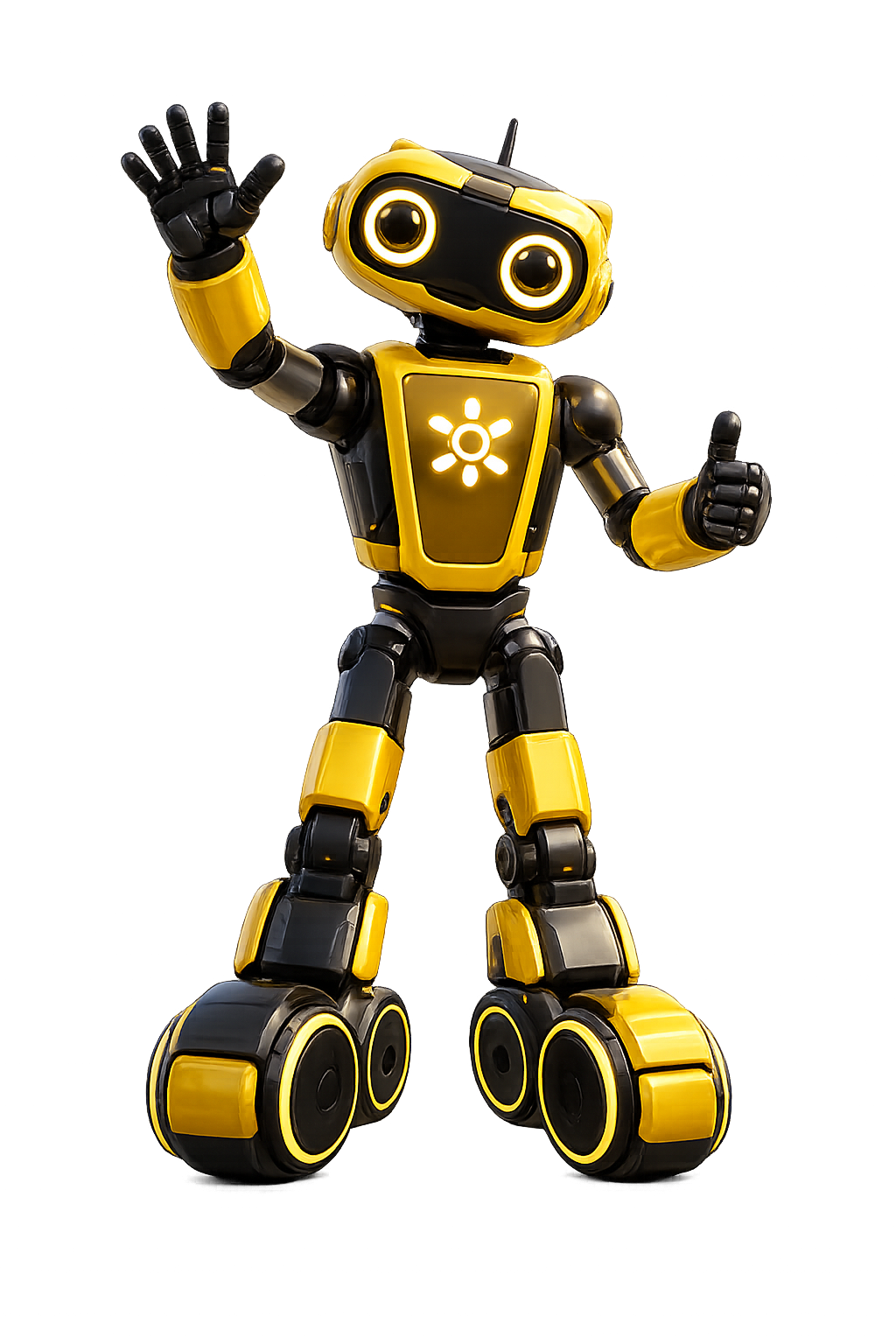
Optimistic, social and open to ideas.
“Let’s do this Together!”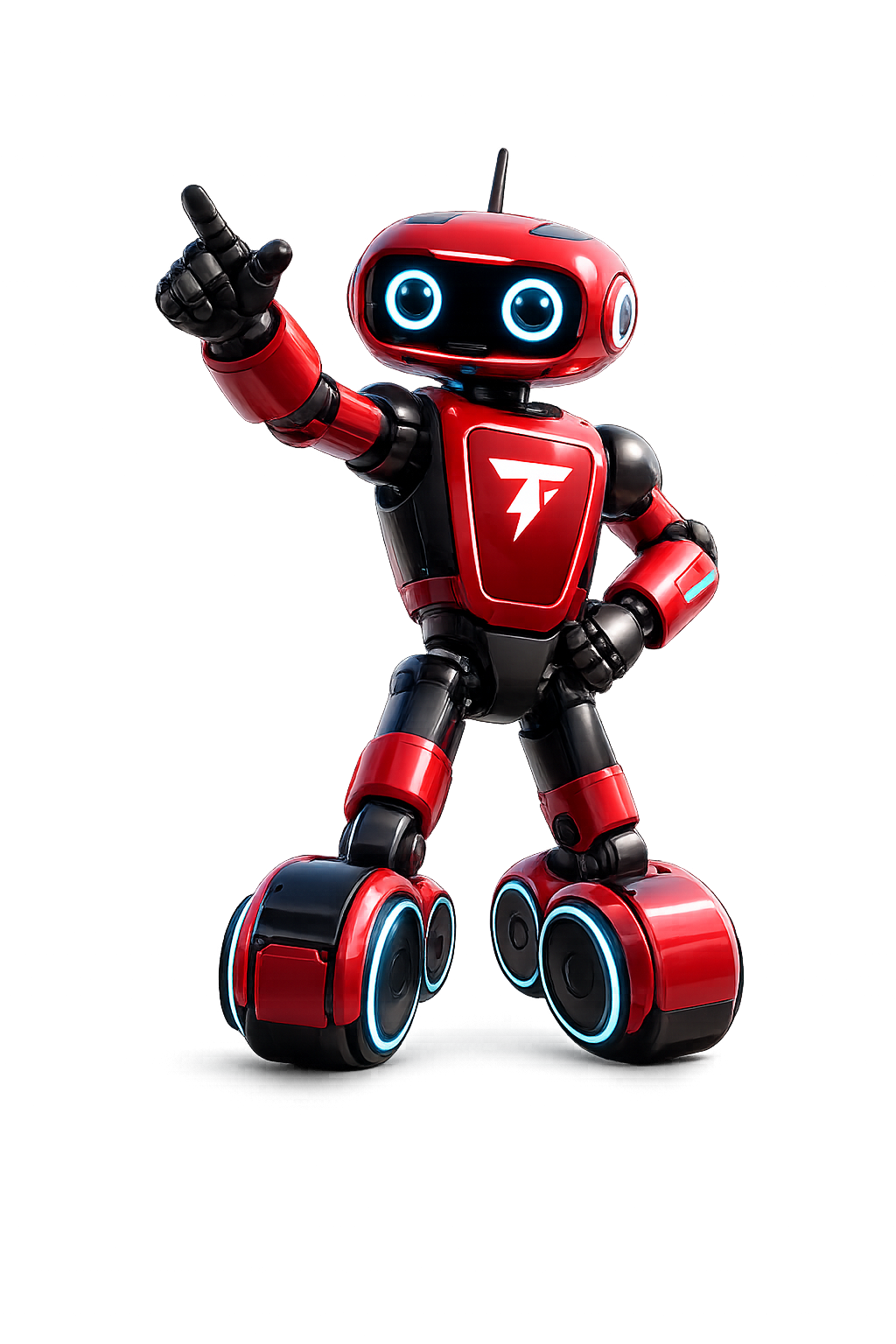
Confident, decisive and action-oriented.
“Let’s do this Now!”The same Botnik, Gamma, Yara and Remi identities now carry from the website into the Mission 1 experience. Browser-native 3D character models remain the next production asset step.
VIBE can organise the same growing mission library around the priorities of a school, its location and its curriculum. Skills recur deliberately across missions so pupils meet regulation, empathy, communication, resilience and decision-making in different contexts rather than as one-off lessons. The examples below are configuration previews — not claims of regulator or curriculum endorsement.
VIBE is designed to capture participation, reflection, teacher observation and later revisits while keeping interpretation cautious.
VIBE is designed around a persistent, age-appropriate pupil identity. The teacher manages the class and assigns missions; the pupil can return to the same VIBE journey later, including at home where the school has enabled it.
Roster pupils, assign missions, set class defaults and decide which activities may continue outside school.
Use an age-appropriate VIBE identity such as class code + PIN, QR + PIN, or school/LMS SSO — without requiring a child email account.
The same pseudonymous pupil identity can reopen assigned work, replay approved practice and retain CoBot / mission continuity.
School session, home continuation, free practice and cold re-test are tagged separately so optional practice does not distort formal evidence.
Architecture preview: v1.6.6 demonstrates the intended identity and continuity model using fictitious local demo data. Production authentication, roster sync and cloud persistence are not yet implemented.
VIBE is being designed so the same mission evidence can be viewed at class, school and school-group / Trust level — without turning the pupil experience into a test.
Did today’s session run without specialist support?
Teacher observations add context without scoring the pupil.For the teacher: what happened in this class, who has not completed, and what was observed.
For the school leader: participation, delivery consistency, aggregate reflection and teacher observations across classes.
For a school group or Trust: comparable delivery and evidence across schools, with classroom detail still underneath.
Teachers assign missions, manage class defaults and see participation without turning VIBE into another test.
The same VIBE identity can support school sessions and teacher-enabled continuation at home.
Voice guidance, text size, movement, sound and pacing can be set before pupils begin.
No physiological scoring or unrestricted generative AI in the pupil experience.
Access preferences are configured quietly in Teacher / Admin Setup. A class, school or school group can define sensible defaults while still allowing individual adjustments where appropriate.
The first UK pilot answered an early question: will pupils engage with the mission concept, and can teachers facilitate it? The product has now moved on. The next phase validates the full school experience — repeated missions, teacher workflow, home continuity, evidence and local school context.
Year 6 and Year 7 cohorts experienced the VIBE concept. The useful signals were engagement, replay interest, clarity and teacher feasibility.
Validate the current VIBE platform in normal school use: mission sequence, repeat practice, teacher/class management, inclusion/access, home continuation, evidence quality and later revisits.
VIBE brings together wellbeing, education innovation, EdTech and implementation experience.
Explore the current product from the perspective most useful to you.